When you need to hold and position
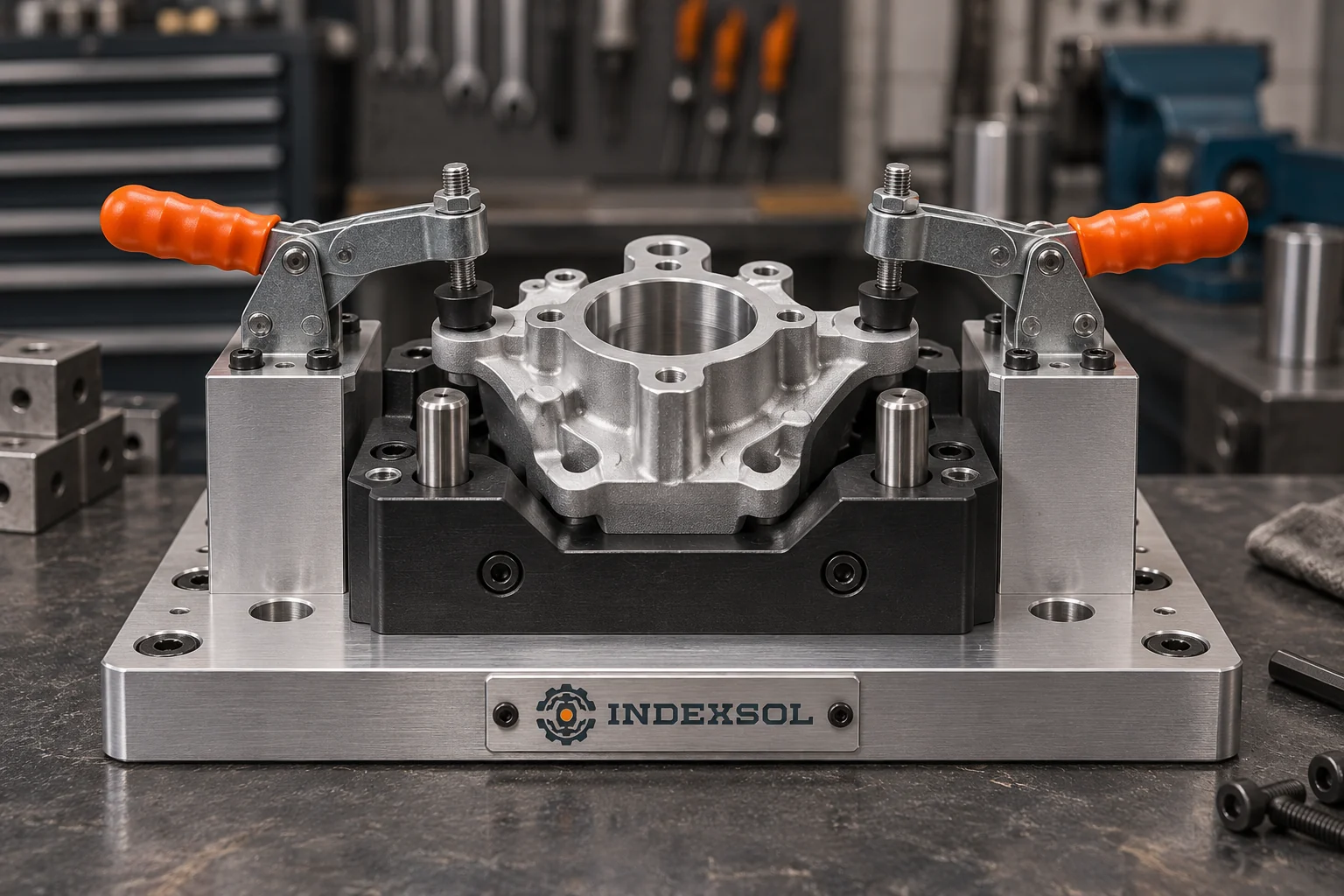
A fixture organizes support, locating and holding during an operation. Start with the function: assembly, inspection, machining or testing. That function determines access, references and working forces.
- The operation to perform
- Areas that must remain accessible
- How the part is loaded and unloaded
When the geometry needs dedicated support
A nest receives a specific geometry and can form part of a fixture. Consider contact surfaces, orientation and part variation. Material and manufacturing choices depend on use, wear and working conditions.
- Product geometry and variants
- Surfaces that need protection
- Usage frequency and model changes
When the objective is preventing or detecting an error
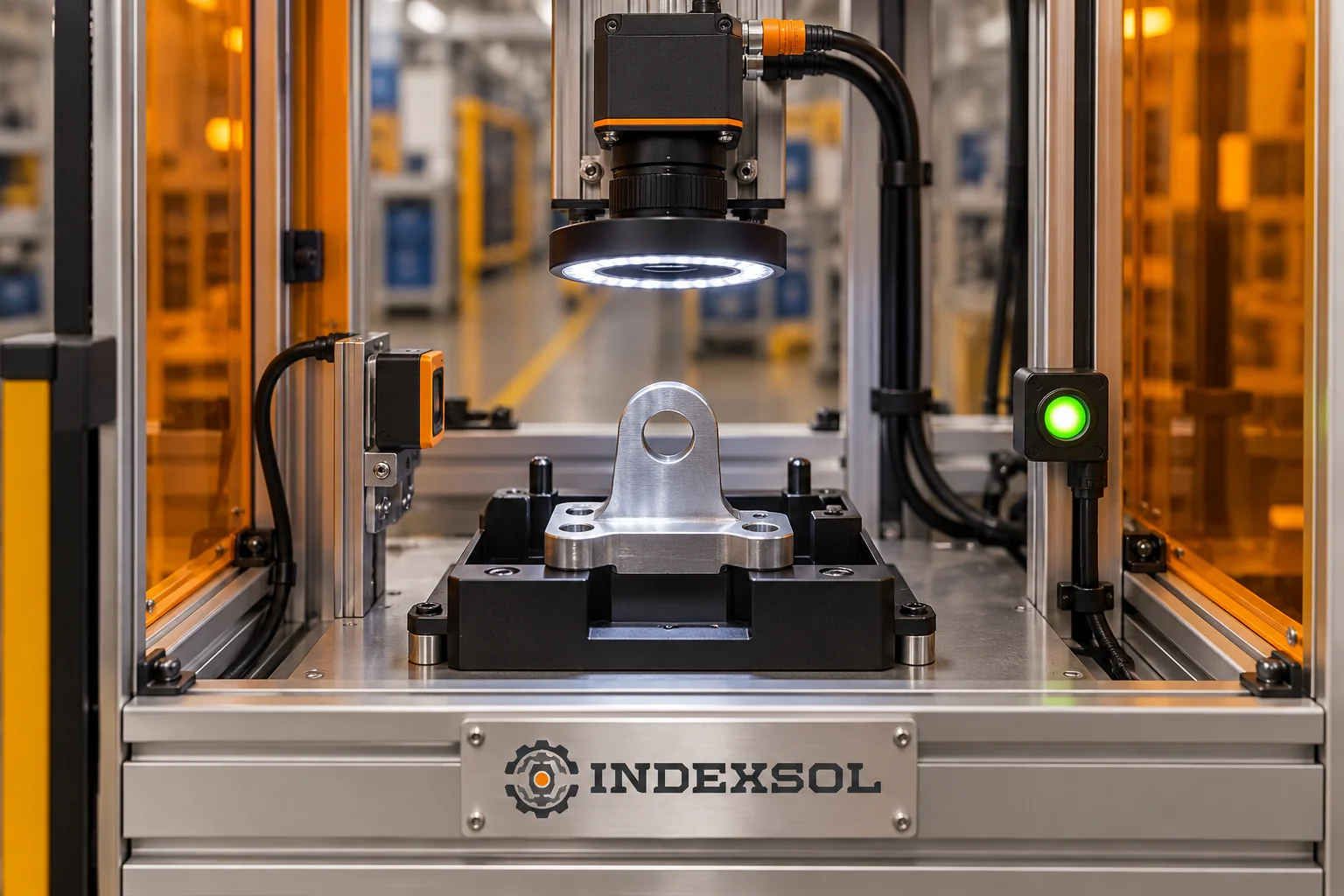
A poka-yoke starts with a specific error. Geometry, sensing or a control condition may prevent incorrect placement or detect a missing part. Define the error and expected process response before selecting technology.
- Error to prevent or detect
- Representative samples and conditions
- Expected response to an incorrect condition
One station can combine all three functions
A nest can receive the part, a mechanism can hold it and a sensor can verify an assembly condition. Describe each function and its review criteria so the design supports the whole process. The application determines the appropriate complexity.
- Position and holding
- Condition verification
- Sequence and ease of operation